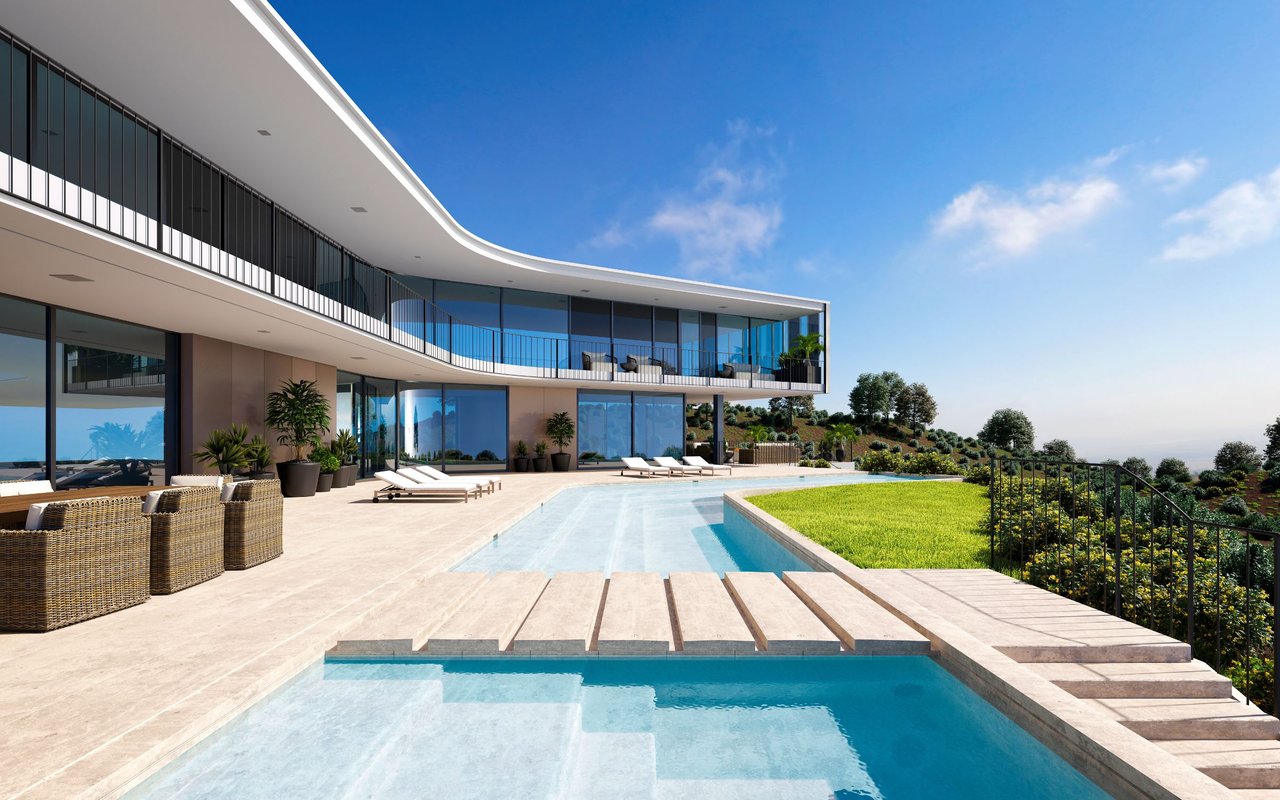
In the same week this past July, Waldorf Astoria Costa Rica Punta Cacique handed over its first three Estate Homes and was ranked the No. 8 resort in Central America and the top-ranked property in Guanacaste on Travel + Leisure's 2026 World's Best Awards list. Neither event moved the listing price of a single remaining unit. Both events changed what a buyer is actually purchasing.
That distinction matters more than another round of pricing analysis, because pricing was never the hard part of evaluating a branded residence before it opens. The hard part is that you're buying a promise. A rendering, a brand name, a set of amenity drawings, and a developer's word that the finished product will match the marketing. Punta Cacique spent nearly two decades as exactly that kind of promise. As of this summer, it isn't one anymore for at least part of the project, and the gap between those two states is the actual thing worth underwriting.
The problem every pre-construction branded residence shares
Branded residences sell on reputation transfer. The pitch is that a name like Waldorf Astoria will run your building the way it runs its hotels, and that discipline will show up in resale value, service standards, and how the property ages. Until the hotel opens, that promise is untested. There's no operating history, no independent review, no finished unit to walk through and compare against the brochure. You're trusting a partnership between a hospitality brand and a developer to execute a decade-long vision on schedule and at the promised finish level.
Revolution Places, the investment firm led by AOL co-founder Steve Case, acquired the Cacique Peninsula land in 2006 and spent close to twenty years assembling the right partners before construction accelerated. That's not a criticism of the pace. Long land assembly and careful partner selection are normal for a project of this scale. But it means that for most of Punta Cacique's history, a buyer's only evidence was a plan.
The Waldorf Astoria Costa Rica Punta Cacique resort opened on April 22, 2025, becoming the brand's first hotel in the country. The first condominium building sold out. Then the Estate Homes, a limited collection of 22 cliffside residences, went on the market. As of this summer, more than half of that collection has sold, and the first three homes have been physically completed and delivered to owners.
That sequence, resort opens, condos sell out, first homes deliver, independent award follows, is the part worth reading closely. It isn't marketing copy. It's a record of a promise being tested in stages, and each stage either confirms or undermines the one before it.
What "sold before completion" actually signals
A cynical read of "more than half of 22 Estate Homes already sold" is scarcity marketing. A more useful read is sequencing logic. Developers of large branded projects typically don't release their most exposed, highest-priced inventory first. They release the product that's easiest to sell on brand recognition alone, let the hotel open and operate, and only then bring the scarcest, most expensive residences to market once there's something real to point to.
That's what happened here. The condominiums, priced to move on the strength of the Waldorf Astoria name before the resort had a single night of guest reviews, sold out. The Estate Homes, priced from the mid-$7 million range for four- and five-bedroom residences ranging from roughly 4,400 to 5,700 interior square feet, came to market after the resort had already opened and started building a service record. Buyers of the Estate Homes were the first at Punta Cacique to make a decision with an operating hotel in front of them instead of a construction site.
The Travel + Leisure recognition, arriving one year after the resort's opening, is the independent check on whether that operating record holds up. It's not Revolution Places or Waldorf Astoria describing the property. It's a third party ranking it against other Central American resorts and placing it above every other property in Guanacaste on that list.
What this does and doesn't de-risk
Delivery and independent recognition close specific gaps. They don't close all of them, and treating them as if they do is the mistake a buyer at this stage is most likely to make.
What gets meaningfully de-risked:
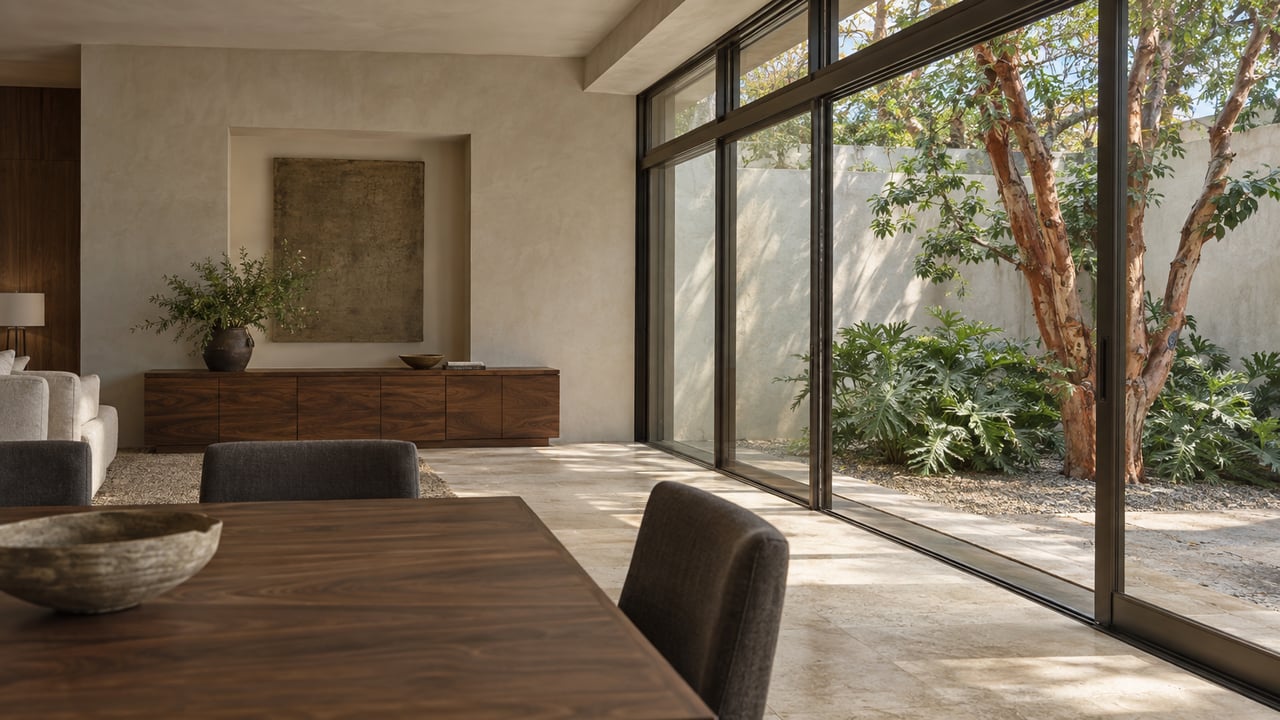
- Construction and finish quality. A rendering can promise chukum plaster walls and Turkish Rimini marble. A delivered home either has them or doesn't, and the first three Estate Homes now exist for a buyer or their representative to walk through.
- Brand follow-through. An independently judged award is evidence that the resort is performing at the level the marketing claimed, not just evidence that the marketing exists.
- Resale comparables. Once units have actually closed and delivered, a future seller has real transaction history to point to instead of asking a buyer to trust a projection.
What doesn't automatically improve:
- Rental yield. A managed rental program being available is not the same as rental income being predictable. Seasonal demand at a single-year-old resort is a different data set than five years of trailing performance.
- Ongoing cost trajectory. HOA fees, insurance, and resort service charges at a still-growing master plan can shift as later phases, including the working farm, equestrian center, and locally curated village Revolution Places has described as still to come, get built out and folded into the fee structure.
- Absorption pace going forward. A sold-out first phase and a half-sold second phase tell you what happened at this price point in this window. They don't guarantee the same pace holds for the final release of Estate Homes now on the market.
Why the comparison set matters
Punta Cacique isn't the only branded residence project moving through Guanacaste's resort corridor right now. A Ritz-Carlton Reserve residence collection is underway alongside the Nekajui hotel, offering 36 private villas priced in the multi-millions. A One&Only Papagayo project has also been announced. Buyers comparing these options against Punta Cacique are, in effect, comparing a project with a delivered track record against projects that are still, to varying degrees, in the rendering stage.
That's not an argument that Punta Cacique is the better investment. It's an argument that the two categories of risk being underwritten are different, and a buyer should price that difference into how much certainty they're paying for versus how much upside they might be leaving on the table by choosing a project that hasn't opened yet. Earlier entry into an unbuilt branded project sometimes comes with earlier pricing. Punta Cacique's Estate Home buyers at this stage are paying for reduced uncertainty, not for being first.
What to actually verify before treating this as settled
A finished home and an award are real evidence, not a substitute for direct verification. Before treating Punta Cacique's track record as fully proven, it's worth confirming a few things directly with the sales team:
- Which of the remaining Estate Homes in the final release have a confirmed delivery date, and which are still on a projected timeline
- What the current HOA and resort fee structure looks like now that the hotel has a full year of operating data, and how future phases like the farm and equestrian center are expected to affect that structure
- The specific terms of the managed rental program, including how revenue is split and whether participation is required or optional
- Whether Hilton Honors Diamond status and other owner benefits are tied to the Estate Home purchase itself or to participation in the rental program
None of that changes the headline fact. Punta Cacique converted from a promise to a partially proven track record this year, and that's a different kind of asset than it was in 2025.
A few questions we hear directly
Does the Travel + Leisure ranking apply to the residences or just the hotel? The award recognizes the resort itself within Travel + Leisure's Central America rankings. It's relevant to residence buyers because Estate Home owners share the resort's amenities and service standards, but the ranking is a hotel award, not a residence-specific one.
Are more Estate Homes still available? Yes. More than half of the 22-home collection has sold, and the final release of remaining residences is currently available through the project's sales team.
Is the condominium phase completely closed to new buyers? The original condominium building sold out and is nearing or has reached completion. Any future condominium inventory at Punta Cacique would come from a later phase of the master plan rather than the current release.
If you're weighing a branded residence in Guanacaste against one still working through permitting and construction elsewhere on the coast, that's exactly the kind of comparison worth a direct conversation rather than a rendering. ACT Costa Rica works inside the Punta Cacique sales and marketing program directly and can walk you through what's delivered, what's still projected, and what the numbers actually support.