Are branded residences in Costa Rica just about prestige, or do they actually deliver a smoother ownership experience? If you are exploring ultra-luxury property in Guanacaste, that question matters because the right purchase is about more than views and finishes. Understanding how Waldorf Astoria Residences Punta Cacique is structured can help you weigh lifestyle, service, timing, and due diligence with more clarity. Let’s take a closer look.
What Ownership Looks Like Today
Waldorf Astoria Residences Costa Rica Punta Cacique is positioned as the first residential enclave within the broader 600-acre Punta Cacique masterplan on the Cacique Peninsula, overlooking the Gulf of Papagayo. A key point for buyers is that this is now tied to an operating resort community, not just a future concept. Hilton opened the Waldorf Astoria Costa Rica resort in April 2025, and the residences site states the first residences were completed in December 2025.
That distinction matters because it changes how you evaluate the ownership experience. Instead of buying into a vision alone, you can assess an active hospitality environment, on-site services, and the broader resort setting as it exists today. For many cross-border buyers, that adds a level of practical confidence.
Why the Release Structure Matters
One of the most important things to understand is that public inventory descriptions have evolved as the project has advanced. Earlier public materials referenced a different residence count than more recent project updates. Current sales materials focus on estate homes and use labels such as available, reserved, and future release.
For you as a buyer, the real takeaway is not a fixed lifetime unit count. It is that this is a phased release within a larger master-planned setting, and inventory access may depend on timing, release cadence, and current availability. In projects like this, selection strategy can matter just as much as price.
Estate Homes at a Glance
The current public offering is centered on fully furnished four- and five-bedroom estate homes. Public materials note early-release pricing from the mid-$7 million range, with listing examples ranging from $7.6 million to $11.5 million. The homes are described as multi-level residences spanning up to 11,000 square feet.
That places the product squarely in the ultra-luxury segment of the Guanacaste market. If you are comparing branded residences across resort corridors, this offering is aimed at buyers who want large-format living, hospitality support, and a strong connection to the surrounding landscape.
Design That Leans Into Place
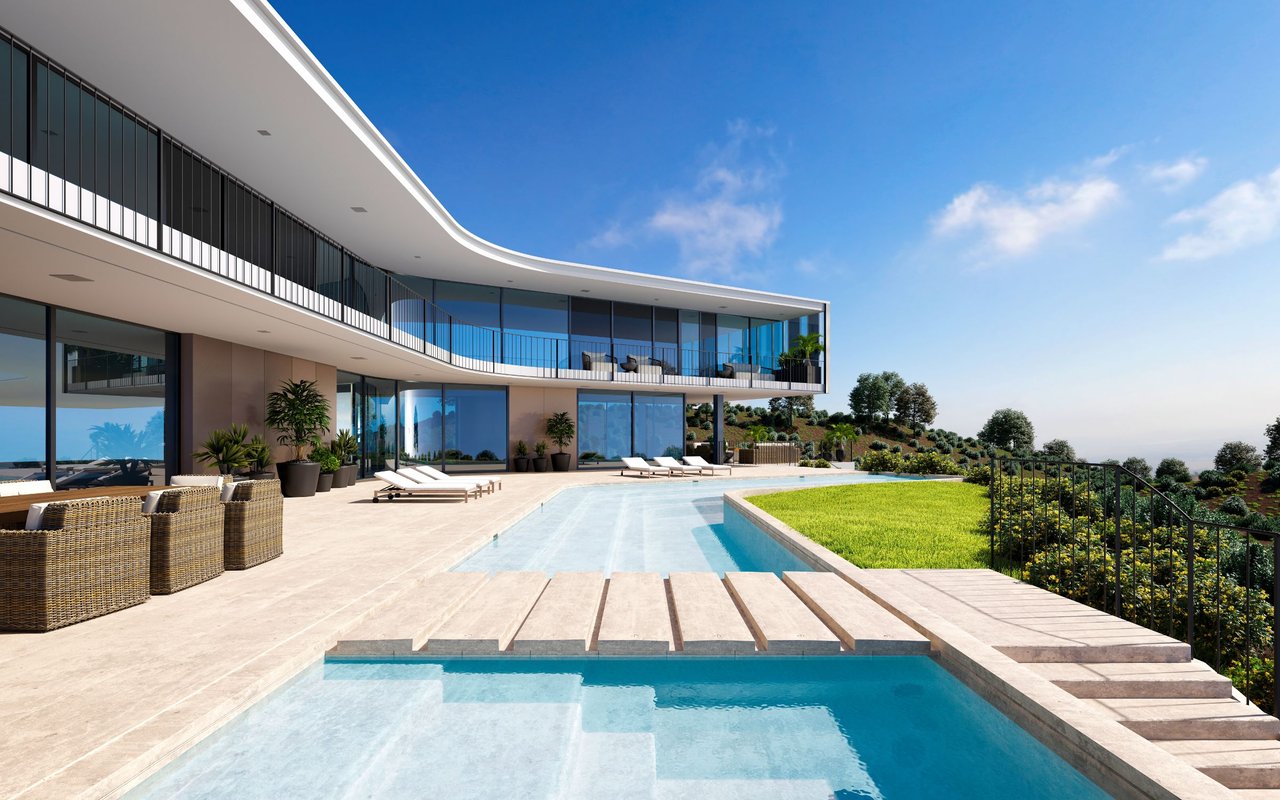
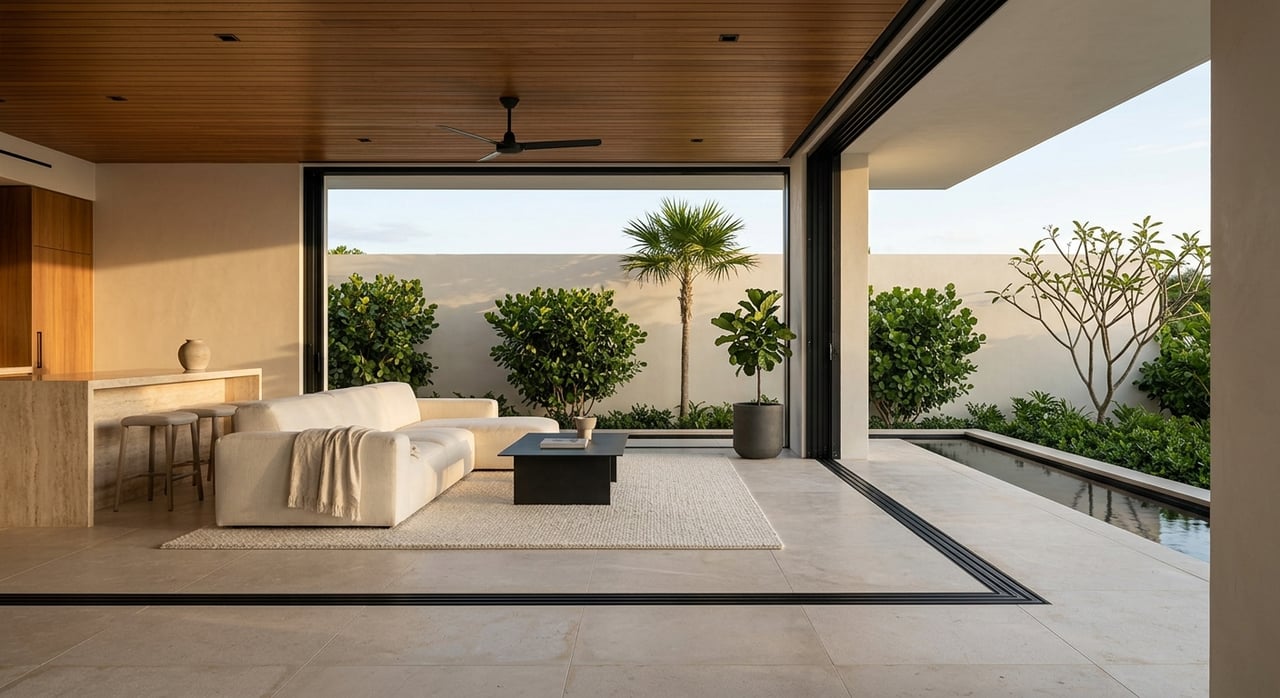
The design language here is very specific to the setting. Public materials describe earth-toned palettes, native landscaping, floor-to-ceiling glass, and horizon-facing terraces that support seamless indoor-outdoor living. The overall effect is meant to feel integrated with the topography and oceanfront environment rather than imposed on it.
The hotel is described as a vertical village that flows organically into its surroundings, and the residences extend that same design approach. Materials also reference handcrafted finishes, chef-grade Cucine Lube kitchens, and spa-style suites with Apaiser tubs. For buyers who care about finish level, that helps frame the homes as hospitality-caliber private residences rather than standard luxury new construction.
Design Team and Delivery
Hilton’s 2025 opening materials credit Garnier Arquitectos, RoblesArq, Gensler, and EDSA on the residential component. That matters because in branded developments, the strength of the design and planning team often shapes long-term perception as much as the brand itself. It also helps explain the project’s emphasis on architecture, siting, and the overall arrival experience.
The Day-to-Day Ownership Experience
For many buyers, the biggest differentiator is not the home alone. It is the service model around it. Waldorf Astoria Residences Punta Cacique is positioned as a hospitality-led ownership experience, which can be especially appealing if you want a more lock-and-leave setup in Costa Rica.
Owner services listed publicly include:
- 24/7 personal concierge
- A dedicated on-site Director of Residences
- Housekeeping
- In-residence dining
- Pre-arrival provisioning
- Valet
- Electric-vehicle transportation
- 24-hour reception
- 24-hour security
This service structure is designed to reduce friction for owners who may use the property seasonally or manage their time across multiple homes. If your priority is convenience, operational support is a major part of the value equation.
Resort Amenities Owners Can Access
The broader amenity offering also shapes the ownership appeal. Public materials list six dining offerings, a cenote-inspired spa, multiple ocean-view pools, wellness spaces, meeting venues, Kids Club and Teen Club areas, and direct beach access to Playa Penca.
Playa Penca is described as a calm, swimmable beach suited to swimming, snorkeling, and sunset walks. In practical terms, that means the lifestyle case is not only about private residential space. It is also about access to a full-service resort environment that supports both everyday use and entertaining.
Optional Rental Program
Another element buyers often ask about is rental flexibility. Public materials state there is an optional full-service rental program managed by Waldorf Astoria. For owners evaluating personal use alongside rental potential, that can be an important consideration.
What matters most is to review the actual operating terms, fees, restrictions, and usage framework tied to any rental program before you buy. Branded rental structures can offer convenience, but they should still be analyzed carefully within your broader ownership goals.
Location Within Guanacaste
Punta Cacique’s setting is part of the appeal. Public materials place it about 30 minutes from Liberia International Airport and near Playa Hermosa and Playas del Coco. That gives owners relatively direct airport access while still being positioned within one of Guanacaste’s best-known resort corridors.
The location is also marketed as a base for exploring beaches, waterfalls, reefs, volcanoes, and national parks across the region. For second-home buyers, this balance between arrival convenience and broader lifestyle access is often a major part of the purchase decision.
What Buyers Should Verify in Costa Rica
Luxury presentation is important, but due diligence is where smart ownership begins. In Costa Rica, foreigners generally have the same individual and social rights and duties as Costa Ricans, subject to constitutional and legal exceptions. For coastal real estate, one of the most important points to confirm is the exact legal character of the parcel.
That means you should verify whether the property is held in fee-simple title, condominium title, or under concession-based coastal rights. These are not interchangeable. In areas affected by the maritime-terrestrial zone regime, the ownership analysis can be very different from a standard titled property.
Registry and Title Review
Costa Rica’s Public Registry is public, and registerable rights must be in public deed. Unregistered titles do not protect a buyer in the same way a recorded title does. That is why title study is such a central part of the process.
Before committing to a deposit, buyers should confirm key diligence items with their independent legal and financial advisers, including:
- Title status and registration
- Easement review
- Cadastral coordination
- Use restrictions
- The exact ownership structure of the parcel
For cross-border buyers, this is where local legal guidance becomes essential. In high-value branded projects, disciplined due diligence is not a formality. It is part of protecting the asset.
Taxes and Closing Cost Basics
Holding costs and transaction costs should also be part of your underwriting. Under Law 7509, the general annual property tax in Costa Rica is 0.25% of the registered value. Costa Rica’s Ministry of Finance also states that the real-estate transfer tax is 1.5% of the transfer amount, shared equally by buyer and seller, and handled when the deed is presented for registration.
Higher-value homes may also be subject to the separate Impuesto Solidario para el Fortalecimiento de Programas de Vivienda. Hacienda’s 2026 notice shows progressive brackets from 0.25% to 0.55%, so the exact impact should be checked using the current year’s valuation rules. For ultra-luxury purchases, this is not a detail to gloss over.
Who This Ownership Model Fits Best
This type of ownership tends to appeal to buyers who value three things at once: a hospitality-backed lifestyle, premium design, and a more structured ownership environment. If you want an ocean-view estate home with resort integration and service support, Punta Cacique presents a very specific proposition within Guanacaste.
It may be especially relevant if you are comparing large private villas against branded residential ownership. The private home option can offer independence, while a branded residence may offer more built-in operational support. The right fit depends on how you plan to use the property, how hands-on you want to be, and what level of service you expect.
Final Takeaway
Inside Waldorf Astoria Residences Punta Cacique ownership, the real story is not just luxury branding. It is the combination of completed estate homes, an operating resort platform, phased inventory releases, hospitality-driven services, and Costa Rica-specific legal and tax considerations. When viewed together, those elements create a more complete picture of what ownership here actually means.
If you are evaluating this opportunity, the smartest next step is to compare the lifestyle offering with the underlying ownership structure and diligence requirements. That is where informed decision-making happens. If you would like a discreet, data-driven overview of current availability, release strategy, and what to verify before moving forward, contact ACT Team - Carrie Site for a private consultation.
FAQs
What is Waldorf Astoria Residences Punta Cacique in Guanacaste?
- It is the first residential enclave within the 600-acre Punta Cacique masterplan on the Cacique Peninsula, with ownership tied to the operating Waldorf Astoria Costa Rica resort community.
What homes are currently offered at Waldorf Astoria Residences Punta Cacique?
- Current public sales materials focus on fully furnished four- and five-bedroom estate homes, with pricing described from the mid-$7 million range and examples up to $11.5 million.
What services come with ownership at Waldorf Astoria Residences Punta Cacique?
- Public materials list services such as a 24/7 personal concierge, housekeeping, in-residence dining, pre-arrival provisioning, valet, electric-vehicle transportation, 24-hour reception, 24-hour security, and an on-site Director of Residences.
Is there a rental program at Waldorf Astoria Residences Punta Cacique?
- Yes, public materials describe an optional full-service rental program managed by Waldorf Astoria, though buyers should review the specific program terms and costs carefully.
How far is Punta Cacique from Liberia International Airport?
- The project’s public location materials place Punta Cacique about 30 minutes from Liberia International Airport.
What should foreign buyers verify before buying coastal property in Costa Rica?
- Buyers should verify the property’s legal structure, title status, registration, easements, cadastral coordination, use restrictions, and whether any maritime-terrestrial zone rules apply.
What taxes should buyers understand for Costa Rica luxury property ownership?
- Buyers should understand the general annual property tax of 0.25% of registered value, the 1.5% transfer tax shared equally by buyer and seller, and the possible application of the separate luxury home tax depending on valuation.