What does a luxury day in Tamarindo really feel like? Picture an early surf session on a sandy bay, lunch steps from the ocean, a massage at home before sunset, and dinner that blends fresh seafood with fine wine. If you are weighing a second home or a long stay, you also want clarity on neighborhoods, services, and ownership. This guide gives you a day-in-the-life view, a map of premier communities, and practical buying context so you can make a confident plan. Let’s dive in.
Location, access and seasons
Tamarindo sits on Costa Rica’s northern Pacific in the Santa Cruz canton of Guanacaste. It functions as one of the area’s key tourism and commercial hubs, with active destination planning and community coordination that support quality of life year-round. The national tourism institute has highlighted local efforts to strengthen Tamarindo’s positioning as a sustainable destination, a sign of its growing profile and managed growth priorities. You can see that development context in the ICT’s coverage of Tamarindo planning.
You will typically fly into Liberia’s Daniel Oduber Quirós International Airport (LIR), the main international gateway for northern Guanacaste. Expect about 1 to 1.5 hours by road from LIR to central Tamarindo in normal conditions. Private drivers and shared shuttles are common transfer options, and current routes show the Liberia to Tamarindo corridor as a well-known path for visitors and homeowners.
Two broad seasons shape the rhythm of life. Dry season runs roughly December to April and lines up with high season for tourism, while green season from May to November brings afternoon rains, greener hillsides, and a calmer pace. Local business hours, event calendars, and short-term rental demand tend to follow this cycle, as outlined in the ICT’s Tamarindo visitor guide.
A key environmental factor defines evenings and beachfront activity. Playa Grande and neighboring beaches are part of Parque Nacional Marino Las Baulas, a protected leatherback-turtle nesting area. During nesting season, nighttime beach access and beachfront lighting face stricter rules, which affects events, property lighting choices, and some rental-use assumptions. Learn more about the park and protections through the Las Baulas overview.
A luxury day, start to sunset
Morning surf and movement
You wake to the sound of the shorebreak and roll into a surf or paddle session. Tamarindo’s sandy bay offers consistent, year-round waves with a strong culture of instruction, so both beginners and advanced surfers find their groove. Many luxury owners stack mornings with yoga or a trainer session, then transition to work from a terrace or café. For elevated outdoor time, private fishing and sailing charters, Catalina Islands snorkel trips, and golf at nearby resort communities are common, with concierge teams coordinating the details. Local lifestyle guides spotlight this cadence of surf, wellness, and curated outings, such as the Stay in Tamarindo luxury guide.
Midday dining and effortless errands
Food ranges from barefoot-casual to chef-driven. You can book a table at an elevated beachfront venue like Pangas Beach Club or choose a shaded soda for a low-key lunch. If you cook at home, Tamarindo’s premium supermarket, Auto Mercado, helps with full provisioning, and weekly produce markets add color and freshness. Long-stay owners often work a simple loop into their midday: beach club lunch, quick market stop, and back home to catch the breeze.
Afternoons, wellness and evenings
Afternoons tend to slow down, and many owners use this time for in-home services. You can schedule a private chef, massage therapist, or housekeeping through your property manager or concierge. As the sun sets, choices range from a casual beach bar with live music to private entertaining at your villa. Just remember that beachfront lighting and nighttime events follow stricter rules near protected nesting beaches, so plan ahead and check guidelines during turtle season.
Neighborhoods and gated communities
Downtown Tamarindo
If you want immediate access to the beach, dining, and shops, downtown delivers a walkable lifestyle. The core mixes hotels, restaurants, boutiques, and a range of condominiums. It suits you if convenience and vibrant energy sit at the top of your list.
Playa Langosta
Just south of town, Langosta feels quieter and more residential while remaining close to Tamarindo’s core. You will see boutique villas and gated compounds tucked among tropical streets that lead to a scenic, less crowded shoreline. Owners who want privacy with easy access to town often focus here.
Playa Grande and Las Baulas
Across the estuary to the north, Playa Grande offers a long, protected beach inside Las Baulas National Marine Park. Conservation adds to the area’s natural appeal while limiting certain activities, lighting, and event options in nesting season. If you value surf access and a conservation buffer, this zone is compelling, with the understanding that environmental rules guide daily life.
Hacienda Pinilla and Playa Avellanas
About 15 to 25 minutes south, Hacienda Pinilla is a large master-planned resort community with a private beach club, equestrian center, 18-hole golf course, and the JW Marriott within the development. Homes here pair resort-scale amenities with managed security and maintenance. Avellanas, next door, is known for beautiful beachfront and an easygoing vibe that still sits within range of Tamarindo’s services.
Nearby: Reserva Conchal and Playa Conchal
Within an easy drive, Reserva Conchal provides another high-amenity resort-residential option near the white sands of Playa Conchal. If you are comparing gated communities with golf, beach clubs, and hospitality standards, it belongs on your shortlist.
What luxury homes look like
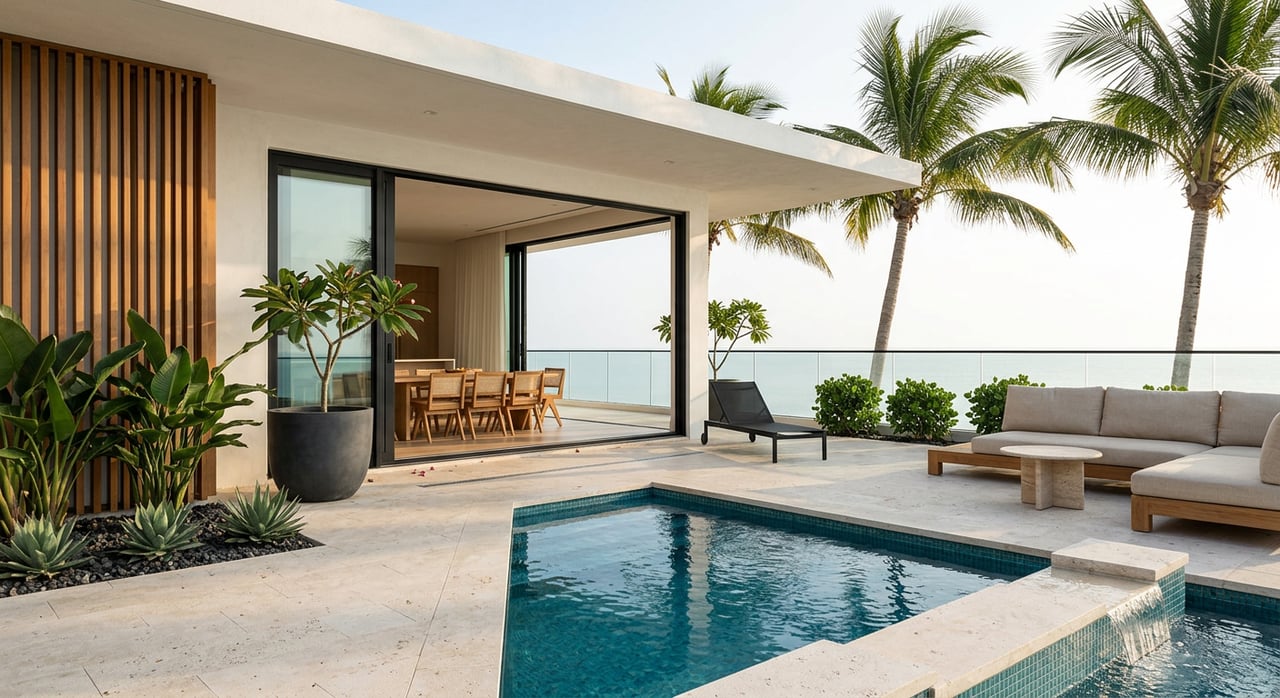
- Oceanfront villas and direct-beach estates with very limited supply due to environmental buffers and protected beaches.
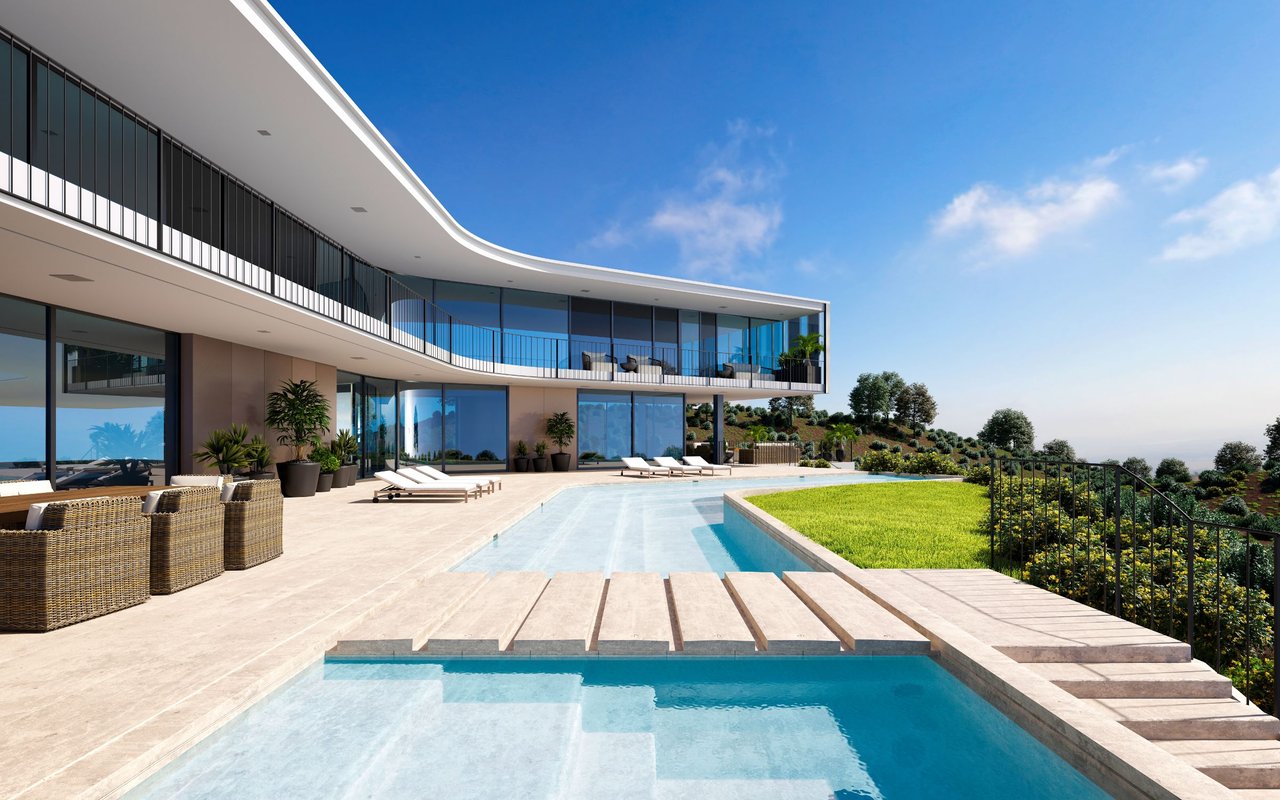
- Ocean-view hillside houses and contemporary estates with private pools, gated access, and high-end international finishes.
- Luxury condos and boutique buildings with concierge, pools, and elevators, ideal if you want turnkey, low-maintenance living.
- In-community resort homes within master-planned settings like Hacienda Pinilla or Reserva Conchal that offer HOA services and clubhouse access.
Investment and ownership essentials
Who buys and why
You will find a mix of North American and European second-home owners, permanent expats, and lifestyle investors. Drivers include surf culture, beachfront access, boutique dining, proximity to LIR, and the convenience of resort-level amenities. Many buyers want personal enjoyment first, with optional rental use when they are away.
Pricing context
Market commentary shows the luxury segment in Guanacaste strengthened during the pandemic period and then rebalanced in the mid-2020s. What qualifies as “luxury” spans a wide range, and listing figures vary by property type, view, and amenity set. For on-the-date pricing, verify with a current local broker report; the broader trend notes appear in TheLatInvestor’s market commentary.
Rentals and seasonality
Short-term rental demand peaks from December to April, with shoulder seasons in late spring and fall. Villas and well-managed condos can perform well, but occupancy and yield depend on exact location, views, amenities, and professional management. Expect performance to track high season dynamics and property quality, a pattern reflected in market discussions of rental behavior.
Ownership mechanics and costs
Foreigners in Costa Rica have the same rights as citizens to purchase titled property. Standard practice is to work with a local attorney or notary to conduct due diligence, review the Registro Nacional title, check encumbrances and permits, and then execute and register the deed. For a helpful overview of foreign ownership and closing steps, see this summary of Costa Rica property ownership.
Typical closing costs and ongoing taxes are often cited in professional guides. Transfer tax commonly sits near 1.5 percent of the taxable basis, with notary, registry, and stamp fees adding several percent. Annual property tax is often cited around 0.25 percent of the fiscal value. Treat these as general markers and consult your attorney or accountant for exact figures for your property. A primer on taxes is outlined in this Costa Rica tax overview.
If you plan to rent short-term, remember that Costa Rica’s IVA (value-added tax) is 13 percent and applies broadly to goods and many services, including lodging. The IVA framework implemented after the 2018 to 2019 fiscal reform governs how rentals are taxed, so get local advice on registrations and declarations. A policy update summary appears in Delfino’s coverage of the reform.
Conservation rules that shape value
Beachfront development near protected areas faces real constraints. Las Baulas protections limit lighting, nighttime beach access, and event parameters during turtle nesting, which can affect revenue assumptions for beachfront events and limit lighting modifications at oceanfront homes. The upside is a scenic, protected coastline that many buyers prize. For a refresher on the park’s scope, see the Las Baulas overview.
Everyday services and practicalities
Healthcare and emergency care
For major care, the nearest regional public hospital is Hospital Enrique Baltodano Briceño in Liberia. In Tamarindo, you will find private clinics and urgent-care providers for routine needs and first response. Many expats combine local private clinics, telemedicine, and medical-evacuation coverage for higher-risk scenarios. Reference point: Hospital Enrique Baltodano Briceño.
Connectivity and home services
High-speed internet, including fiber, is common in town and in major resort communities. More rural or hillside properties may rely on fixed wireless or satellite backup, so confirm connection type in any offer. Property management, concierge, private chefs, housekeeping, and event services are well developed, which makes lock-and-leave ownership far easier.
Security and physical risks
Gated communities offer controlled access and private security, and central Tamarindo has local policing plus private security at many luxury properties. As in most beach towns, petty theft can occur in tourist zones, so use routine precautions. For oceanfront assets, factor coastal erosion, storm surge, and long-term sea-level rise into due diligence and request coastal studies, setback history, and engineering guidance on elevation and resilience.
How we help you buy with confidence
You deserve clear answers on neighborhoods, due diligence, costs, and rental mechanics before you commit. As a luxury advisory focused on Guanacaste, we combine local, on-the-ground support with a development-marketing lens that protects both your lifestyle goals and your asset value. We coordinate vetted local professionals, guide your offer strategy with data, and help you build an ownership plan that fits how you want to use the home.
Ready to explore Tamarindo’s luxury coastal lifestyle and compare the right communities for you? Reach out to the ACT Team - Carrie Site to start a private, no-pressure conversation.
FAQs
When is the best time to visit Tamarindo for home shopping?
- Dry season from December to April offers sun and peak activity, while green season from May to November brings calmer crowds and greener scenery, as outlined in the ICT’s guide.
How long is the drive from Liberia Airport (LIR) to Tamarindo?
- Plan for about 1 to 1.5 hours by road in typical conditions, with private transfers and shared shuttles widely available along the Liberia to Tamarindo route.
Are there restrictions on beachfront lighting and events near Tamarindo?
- Yes. Playa Grande and nearby beaches fall under Las Baulas protections that limit nighttime access, lighting, and events during turtle nesting season, as summarized in the Las Baulas overview.
Do foreigners have the same rights as locals to buy property in Costa Rica?
- Yes. Foreigners can buy titled property with the same rights as citizens, using a local attorney or notary for due diligence and closing steps. See this foreign ownership summary.
What closing costs and property taxes should I expect in Costa Rica?
- Professional guides often cite transfer tax near 1.5 percent plus several percent in legal and registry fees, and annual property tax around 0.25 percent of the fiscal value. Confirm exact figures for your property. A primer appears in this tax overview.
Is short-term rental demand strong year-round in Tamarindo?
- Demand is seasonal, peaking December to April with softer shoulder periods. Performance depends on location, finishes, amenities, and management, a pattern reflected in market commentary.