If you are searching for an ocean-view villa in Playa Hermosa, the view alone should not make the decision for you. In this part of Guanacaste, the best purchase often comes down to how the home sits on the land, how it lives day to day, and how clearly you understand the ownership and planning context. If you want a sharper way to compare villas with confidence, this guide will walk you through what matters most. Let’s dive in.
Why Playa Hermosa draws villa buyers
Playa Hermosa sits in Carrillo canton, in the Sardinal district, between Playa Panamá and Playas del Coco. The municipality describes it as a gray-yellow sand beach with blue-green water, coastal vegetation, and hills on both sides. It is usable year-round, although the north sector can see stronger surf in winter.
That setting shapes the villa market in a very practical way. Playa Hermosa is not simply a flat beachfront strip. It is part of a coastal corridor where hills, bays, and resort activity all influence views, privacy, and access.
For many second-home buyers, that balance is exactly the appeal. You get a quieter coastal setting within the broader Papagayo tourism corridor, while still remaining close to the larger service network centered around Playas del Coco and Liberia.
Start with the view itself
Ask what kind of ocean view you have
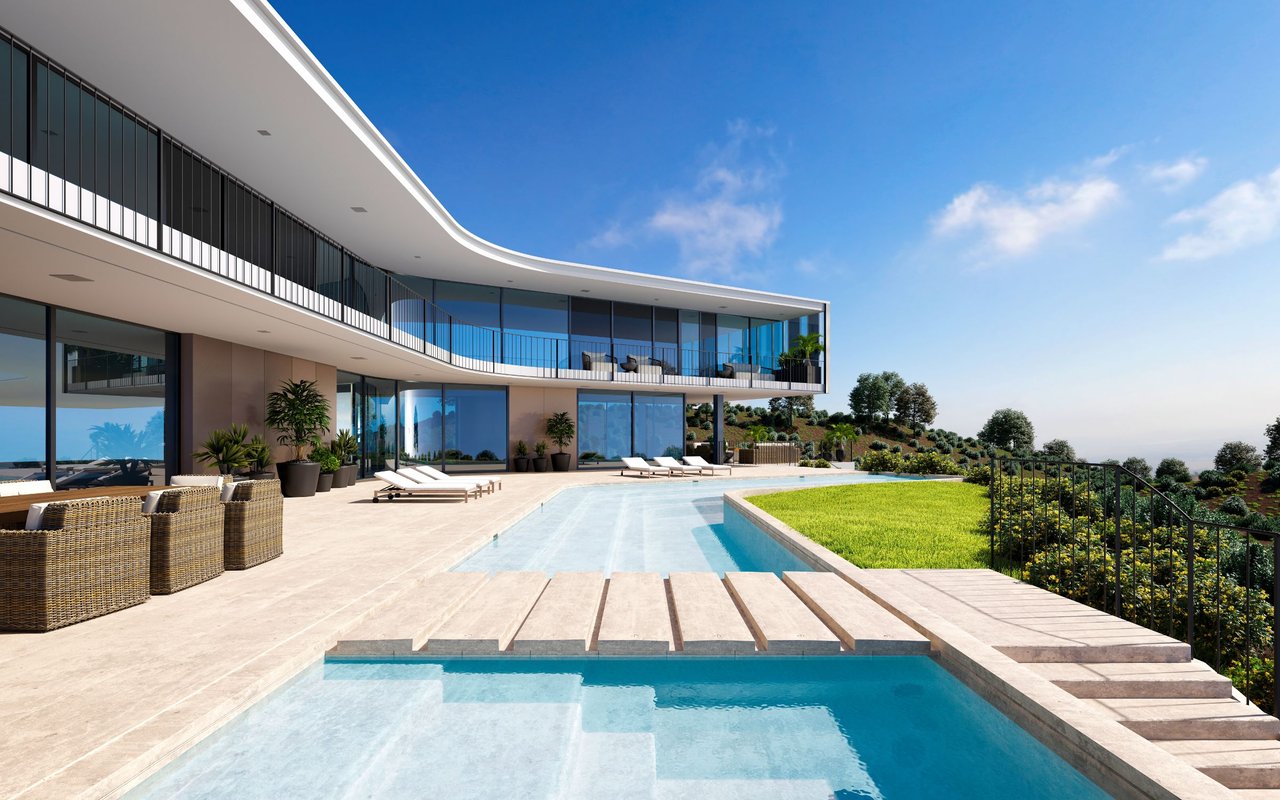
Not every ocean-view villa offers the same experience. In Playa Hermosa, you should separate a wide open-ocean panorama from a partial water view or a framed bay view through vegetation and nearby rooftops. Because the beach is bordered by hills, elevation and lot position can matter just as much as distance from the shore.
A strong listing photo does not always tell the full story. What matters is how the view feels from the main living spaces, terraces, pool deck, and primary bedrooms. A villa with a slightly higher perch may offer a more usable and dramatic outlook than one that sits closer to the beach.
Think about view durability
A smart buyer also asks whether the current view is likely to hold up over time. In a regulated coastal setting like Playa Hermosa, topography, neighboring parcels, vegetation growth, and planning rules can all affect how a view evolves.
That does not mean a future change is certain. It simply means you should treat view protection as a due diligence question, not as an assumption. When you shortlist villas, ask what conditions create the current sightline and what could reasonably change later.
Understand the coastal ownership context
Ocean view is not the same as beachfront
This is one of the most important distinctions in Playa Hermosa. A villa can have an excellent ocean view without being directly on the beachfront, and that difference can have major ownership and review implications.
Costa Rica’s maritime-terrestrial zone law defines the coastal strip as 200 meters inland from the ordinary high-tide line. The first 50 meters are public and cannot be privately appropriated, while the remaining 150 meters form a restricted zone where municipalities may grant concessions under the applicable law and coastal plan.
Why this matters in Playa Hermosa
For a hillside villa outside the maritime-terrestrial zone, your review may look more like a standard title and zoning analysis. For a near-shore property inside the regulated strip, the review can become more detailed because concession status, permitted use, and plan compliance may all matter.
Playa Hermosa also sits within a formal coastal planning framework. The Municipality of Carrillo states that the Plan Regulador Integral Playa Hermosa, El Coco, and Bahía Azul was formally adopted in 2016 and approved through the relevant public processes.
For cross-border buyers, this is where process clarity matters. Before you fall in love with a view, make sure you understand what legal regime applies to the property and how that affects your ownership review.
Evaluate how the villa lives
Indoor-outdoor flow should feel effortless
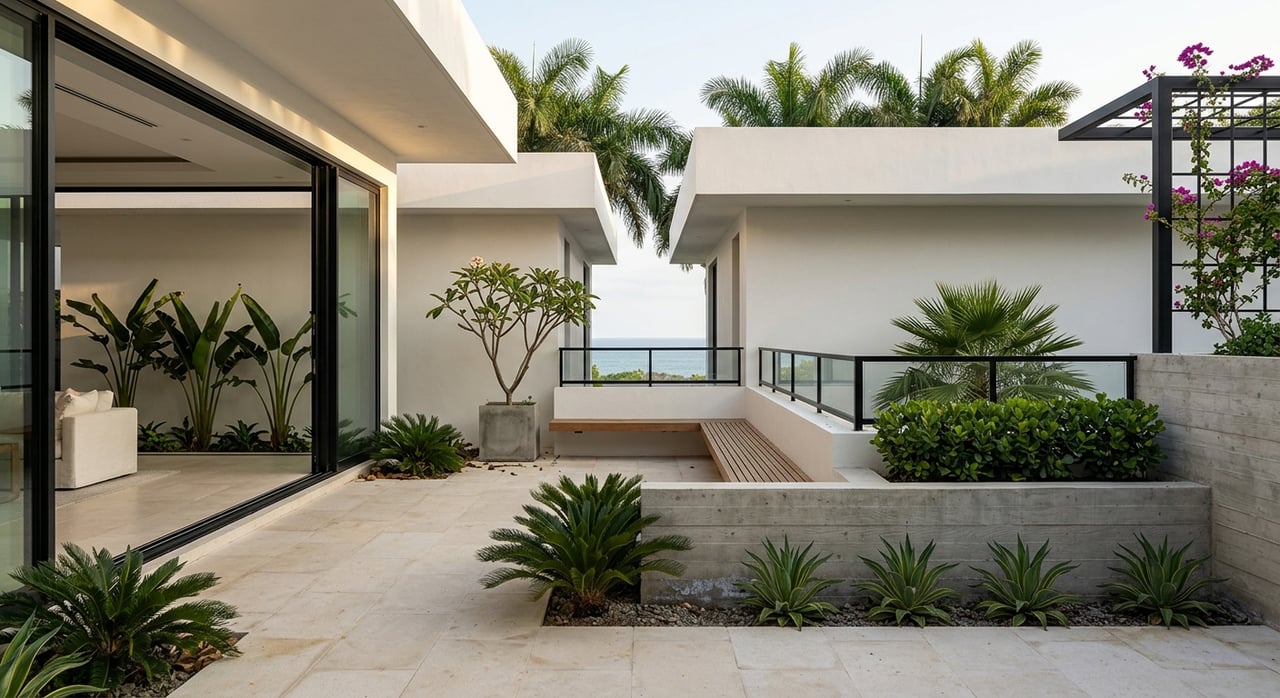
In Playa Hermosa, a villa should be judged by more than its square footage or finish package. Because this is a beach market used year-round, a great home should connect indoor living naturally to terraces, pool areas, breezeways, and shaded outdoor zones.
That connection often shapes your day-to-day experience more than an extra room or a more decorative finish. If you plan to host family or spend extended seasonal stays here, easy circulation between kitchen, dining, lounge areas, and outdoor spaces becomes especially important.
Look for comfort in the climate
Useful design features include covered terraces, cross-ventilation, practical shade, and layouts that give guests privacy. These are lifestyle upgrades, but they also support better usability in a coastal climate.
A villa that handles sun, humidity, and airflow well may feel easier to own and enjoy over time. In many cases, thoughtful design can reduce heavy dependence on air conditioning and make the home feel more comfortable during repeated visits.
Review build quality with a coastal lens
Focus on durability, not just style
A polished kitchen or beautiful staging can distract from the details that really matter in a coastal property. In Playa Hermosa, you should look closely at drainage, roof detailing, waterproofing, window and door systems, and exterior metal exposure.
These are not glamorous checklist items, but they often tell you more about long-term upkeep than cosmetic updates do. Coastal sun, humidity, and marine conditions can be hard on materials, so durability deserves careful attention.
Check the finishes that work hardest
If a villa is newer or recently renovated, examine the execution of the finish work, not just the design. Tile transitions, sealants, balcony slopes, and outdoor hardware can all affect how well the property performs over time.
This is especially relevant for luxury buyers who want a lock-and-leave second home. A home that presents beautifully on day one but needs constant attention later may not align with the ownership experience you want.
Review HOA or condominium structure carefully
Understand what the fees actually support
Some Playa Hermosa villas are part of a condominium or HOA-style structure. Costa Rica’s condominium law allows for a wide range of formats, including vertical condos, horizontal developments, mixed developments, private urbanizations, and some concession-based projects brought under the condo regime.
That means the community structure behind a villa can vary more than buyers expect. Instead of looking only at the monthly dues, focus on what those dues fund and how the common areas are managed.
Ask practical ownership questions
When reviewing a community, ask questions such as:
- What do the dues cover?
- Are reserves in place for repairs and maintenance?
- What restrictions apply to rentals or property modifications?
- How are common areas governed?
- How are repair and insurance responsibilities handled?
For a second-home buyer, these questions can have a direct effect on both convenience and holding costs. A well-run community may support a smoother ownership experience, especially if you will not be in residence full time.
Measure beach access and daily convenience
Walkability and shoreline use matter
Playa Hermosa is usable year-round, but the municipality notes that the north sector can experience stronger winter surf. If beach time is central to your lifestyle, think carefully about how often you want to walk to the sand and how easily you want to move between the villa and the shoreline.
That can be very different from one property to the next. A dramatic hillside position may improve the view while making beach access less effortless, so it helps to be clear about your priorities.
Service access is part of livability
For many buyers, daily convenience is just as important as the villa itself. Carrillo’s municipality notes that the most concentrated cluster of tourism, dining, medical, financial, fishing, and water-sports services in the littoral sits between Hermosa and Ocotal, with Playas del Coco as the most populated node.
The Costa Rican Tourism Institute also identifies Liberia as the most developed city in Guanacaste, with basic services, hotels, restaurants, and the airport nearby. Guanacaste Airport is 12 kilometers west of downtown Liberia on Highway 21.
For you, this means Playa Hermosa can offer a quieter residential feel without cutting you off from practical services. The right villa often strikes a balance between privacy and manageable access.
Compare Playa Hermosa with nearby bays
Playa Hermosa vs. Playas del Coco
If you are deciding between Hermosa and Coco, the lifestyle contrast is useful. ICT materials describe Hermosa as a place a few minutes from El Coco that is much less frequently visited, while the municipal page describes Playas del Coco as one of the country’s most developed tourist destinations.
In simple terms, Hermosa often appeals to buyers seeking a lower-key setting. Coco tends to offer a denser service environment and a busier social and activity base.
Playa Hermosa vs. Playa Ocotal
Ocotal is described as an inlet bounded by hills, with grayish sands and low waves. ICT materials note that the higher parts of the adjacent hills have views across the Gulf of Papagayo.
That makes Ocotal a strong comparison point if your search is very view-driven. Hermosa often reads as a broader beach-and-corridor setting, while Ocotal may feel more enclosed and bay-oriented.
Playa Hermosa vs. Playa Panamá
Playa Panamá is described by the municipality as a wide bay with fine sand, low swell, and no strong currents. It is also considered usable year-round.
For buyers, that creates a different profile. Panamá may feel more centered on calm-water recreation, while Hermosa is often more closely associated with hillside villas, quiet residential use, and terrain-shaped outlooks.
Questions to ask before you shortlist
Before narrowing your options, keep your review focused on a few core areas:
- Is the property outside the maritime-terrestrial zone, or within a regulated coastal strip?
- If it is near the shore, what ownership or concession structure applies?
- How durable is the current ocean view?
- Does the home appear to handle drainage, exposure, and outdoor wear well?
- Are the outdoor areas truly usable for how you want to live?
- Do you want a quieter setting, or faster access to dining, groceries, and services?
- If there is an HOA, what do the dues cover and what restrictions apply?
These questions help you move beyond the label of “ocean view” and toward a more informed buying decision. In Playa Hermosa, the strongest villas usually combine a compelling outlook, practical indoor-outdoor living, and a manageable ownership structure.
If you are comparing premium villas in Playa Hermosa or the wider Papagayo corridor, a disciplined evaluation can help you avoid costly assumptions and focus on the properties that truly fit your goals. For private guidance on luxury coastal opportunities in Guanacaste, connect with ACT Team - Carrie Site.
FAQs
What should you evaluate first in a Playa Hermosa ocean-view villa?
- Start with the view quality, view durability, ownership context, and how well the home’s layout supports indoor-outdoor living.
What is the maritime-terrestrial zone in Playa Hermosa?
- It is the regulated coastal strip defined as 200 meters inland from the ordinary high-tide line, with the first 50 meters public and the remaining 150 meters subject to restricted-use rules and possible concessions.
Why does elevation matter for Playa Hermosa villas?
- Because Playa Hermosa sits between hills, elevation and lot position often shape the quality, width, and long-term durability of an ocean view.
How does Playa Hermosa compare with Playas del Coco for buyers?
- Playa Hermosa generally offers a quieter, more residential feel, while Playas del Coco is more developed and service-dense for errands, dining, and activity.
What should you ask about a Playa Hermosa HOA or condo regime?
- Ask what the dues cover, whether reserves exist, what rental or modification rules apply, and how repairs, common areas, and insurance responsibilities are handled.