
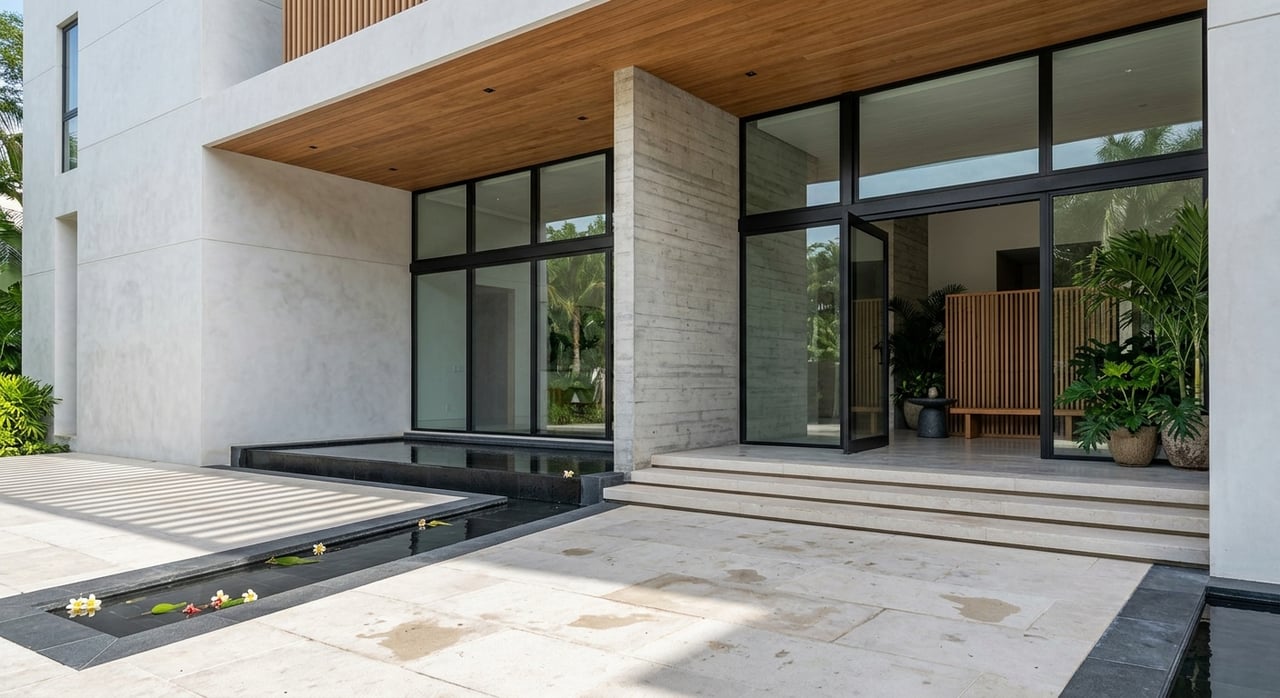
If you are thinking about buying a condo in Tamarindo from the U.S. or Canada, the biggest surprise is usually not the lifestyle. It is the ownership structure. Tamarindo offers the lock-and-leave appeal many cross-border buyers want, but coastal rules, condo bylaws, and title review matter more here than many buyers expect. This guide will help you understand the questions to ask before you move forward, so you can evaluate a Tamarindo condo with more clarity and confidence. Let’s dive in.
Why Tamarindo draws cross-border buyers
Tamarindo is one of Costa Rica’s main coastal centers, according to the Costa Rican Tourism Board, and that helps explain its broad appeal to second-home and vacation-property buyers. The town combines a service-rich beach setting with surfing, sport fishing, diving, nightlife, mangrove tours, and turtle-nesting areas, as outlined in the official ICT tourism guide for Guanacaste.
For you as a buyer, that mix can support more than one ownership goal. Many buyers want a property they can enjoy personally for part of the year, with the option to use it as a rental when they are away. Tamarindo’s tourism infrastructure, nearby transportation services, and broader visitor economy help support that kind of hybrid ownership model in practice, based on the official Guanacaste destination guide.
Tamarindo is also still evolving. The ICT has reported destination-planning priorities that include wastewater, sidewalks, bike lanes, beach access, and police infrastructure, alongside 108 lodging businesses and 1,990 rooms in 2019 and a first police station inaugurated in 2021. That context matters because it shows a market with both established demand and active growth management, as noted in the ICT’s destination planning report.
Start with the land classification
For a cross-border buyer, the first question is not whether foreigners can buy in Costa Rica. In general, they can. Costa Rica’s Constitution states that foreigners have the same individual and social rights as Costa Ricans, and property is protected.
The more important issue in Tamarindo is whether the condo sits on ordinary titled land or whether it is affected by the country’s coastal zone rules. Under Costa Rica’s Maritime-Terrestrial Zone framework, the first 200 meters inland from the ordinary high-water mark are treated differently. The first 50 meters are public zone, and the next 150 meters are restricted zone.
That distinction can change the ownership analysis in a major way. The law says this coastal zone belongs to the State, and certain concession restrictions apply, including rules affecting foreigners who have not lived in Costa Rica for at least five years and entities with more than 50 percent foreign ownership, as outlined in the ZMT law text. In practical terms, your passport matters less than whether the unit is on titled land or tied to a concession regime.
Why coastal location changes the analysis
Not every Tamarindo-area property is the same from a legal or planning standpoint. The broader area includes active tourism zones, town-core development, and nearby conservation land. That mix can be a real advantage for lifestyle, but it also means buyers need location-specific due diligence.
For example, the ICT guide places Playa Grande and Ventanas within Las Baulas National Marine Park and notes that Playa Grande has restricted access. SINAC also identifies Las Baulas in Tamarindo Bay as a protected area for leatherback turtle nesting. If you are considering a condo near the estuary, Playa Grande, or other park-adjacent areas, those conservation rules may shape beach access, use patterns, and the ownership experience around the property.
Understand how condo ownership works
A Tamarindo condo purchase is not just about buying four walls and a view. Costa Rica’s condo law recognizes both vertical and horizontal condominium regimes, which means your property could be a unit in a mid-rise building, a townhouse-style residence, or part of a mixed-format development. In each case, you may hold exclusive title to your unit while also co-owning common areas.
That structure is important because your rights and obligations extend beyond your private space. Under Costa Rica’s condominium law, owners are responsible for common expenses even if they do not personally use the amenities. That means the monthly budget is not optional, and it should be part of your buying decision from the start.
HOA documents are core due diligence
For cross-border owners, HOA review is one of the most important parts of the process. The condo bylaws govern how the community operates, including common charges, use of common areas, meeting rules, sanctions, exterior changes, administrator authority, and dispute resolution. Once you close, you are bound by those existing rules.
This matters even more if you expect to use the condo seasonally or remotely. Costa Rica’s condo law allows virtual assemblies, which can make ownership more workable when you are not in the country full time. Even so, you still want to understand how decisions are made, how budgets are approved, and how responsive the administration is before you buy.
Here are a few key HOA questions to review:
- Are current condo fees fully paid?
- Do the bylaws allow short-term rentals or guest turnover?
- Are there restrictions on professional property management?
- How are annual budgets approved and funded?
- What sanctions or fines can apply to owners?
- Are exterior modifications or finish changes restricted?
These are not minor details. Under the condo law, unpaid dues and fines can become a lien-like burden on the unit, and if fees are not current at transfer, a buyer can become jointly liable for arrears.
Match the condo to your use case
The right Tamarindo condo for you depends heavily on how you plan to use it. A cross-border buyer looking for personal use may care most about lock-and-leave simplicity, location within town, and whether the HOA budget aligns with the amenities they will actually use. A buyer who wants rental flexibility needs to go deeper into the bylaws and building operations.
If rental income is part of your plan, focus on practical questions:
- Does the condo permit short-term rentals?
- Is guest turnover clearly allowed?
- Is the building staffed or structured for frequent arrivals and departures?
- Can you hire professional management if you live abroad?
- Do the common services appear sized for rental activity?
If your focus is mostly personal enjoyment, your checklist may look different. In that case, you may prioritize beach access, quieter positioning, parking, maintenance standards, and whether the recurring HOA costs feel justified for your lifestyle.
Confirm title and registry records carefully
Cross-border buyers should treat title review as essential, not optional. The official Costa Rican registry guide recommends obtaining a literal property certification, which can show the property’s characteristics, ownership, liens, and annotations. Historical owner certificates and cadastral records can also help confirm the unit’s identity and recorded history.
That careful review is especially important because the U.S. State Department notes that Costa Rican civil land-title records can sometimes be incomplete or contradictory, and advises buyers to use reputable legal counsel and review contracts carefully, as stated on its Costa Rica country information page. If you are buying from abroad, having a vetted local attorney and a disciplined review process is part of protecting yourself.
A practical cross-border buying checklist
Before you move forward on a Tamarindo condo, make sure your diligence covers the basics in a clear order.
Legal and title review
- Confirm whether the condo is on titled land or affected by coastal concession rules
- Order registry documents that show ownership, liens, annotations, and cadastral details
- Use reputable local legal counsel to review the purchase contract and title position
HOA and operations review
- Read the bylaws, rules, and budget documents carefully
- Verify whether condo fees, fines, or special charges are current
- Confirm how remote participation works for assemblies and ownership decisions
Lifestyle and use review
- Evaluate the condo’s location within Tamarindo and access to the beach or services
- Check whether nearby conservation rules or restricted-access areas affect the experience
- Make sure the building’s rules align with your personal-use or rental goals
Why guidance matters in Tamarindo
Tamarindo can be an excellent fit for cross-border condo ownership, especially if you value a coastal lifestyle, service access, and a lock-and-leave setup. But it is also a market where legal classification, HOA governance, and location context can materially affect what you are really buying. In other words, the right condo is not just attractive. It is well-matched to your ownership goals and properly vetted.
That is where informed local guidance adds value. If you want a more strategic view of Tamarindo condo options, ownership structures, or how to compare personal-use versus rental-oriented inventory, ACT Team - Carrie Site can help you approach the process with the clarity, discretion, and cross-border perspective this market deserves.
FAQs
What should cross-border buyers check first when buying a Tamarindo condo?
- First, confirm whether the condo is on ordinary titled land or affected by Maritime-Terrestrial Zone rules, because that legal classification can shape ownership rights more than your nationality.
How does Costa Rica condo law affect Tamarindo condo owners?
- Costa Rica condo law allows exclusive ownership of a unit plus shared ownership of common areas, and it requires owners to pay common expenses under the community’s bylaws.
Can a Tamarindo condo buyer become responsible for unpaid HOA fees?
- Yes. Under Costa Rica’s condo law, unpaid dues and fines can attach to the unit, and a buyer can become jointly liable for arrears if fees are not current at transfer.
Are short-term rentals allowed in every Tamarindo condo building?
- No. Short-term rental use depends on the individual condo’s bylaws and operating rules, so you should verify rental, guest, and management policies before closing.
Why is park-adjacent due diligence important around Tamarindo Bay?
- Properties near areas such as Playa Grande, Ventanas, and the estuary may be shaped by conservation rules, restricted access, and protected-area conditions that affect use and access.
What documents should a foreign buyer review for a Tamarindo condo purchase?
- You should review registry documents such as the literal certification, ownership history, cadastral information where available, the purchase contract, and the full HOA package with qualified local legal counsel.